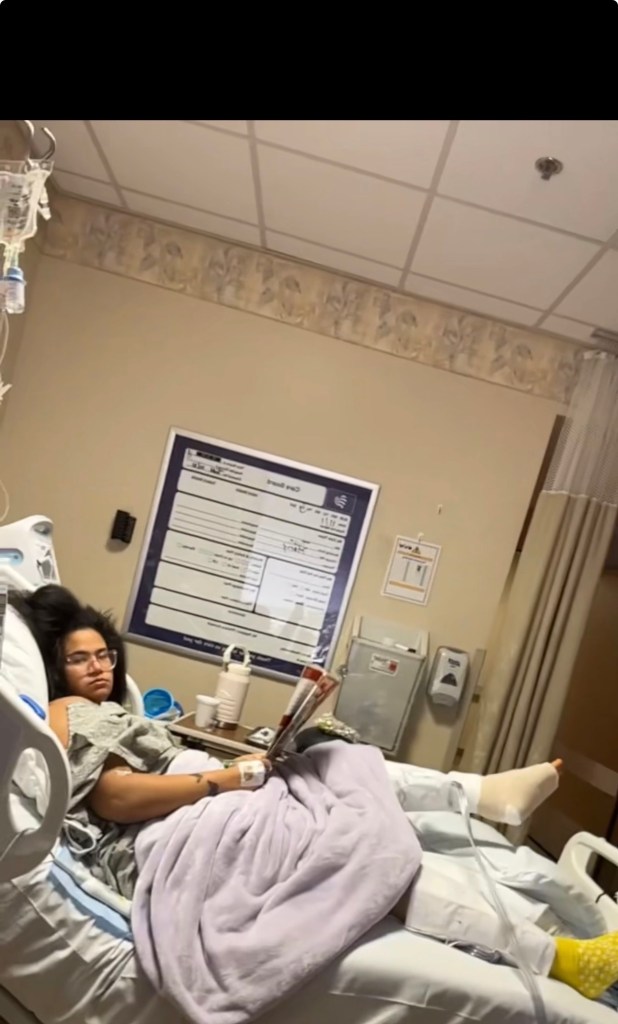
In November 2024, I was admitted back to the hospital for five days as my medical team continued to investigate the extent of the infection and damage within my ankle. During that hospitalization, I underwent six bone biopsies to determine how extensively the infection had affected the bone and surrounding structures.
By this point, my condition had progressed significantly despite months of treatment, surgeries, wound care, and antibiotics. The hospitalization was another reminder of how serious my condition had become and how uncertain my future remained.
Following the biopsies, I was placed back on intravenous antibiotics through a PICC line in an effort to control the infection and prevent further damage. Returning to IV antibiotic treatment was physically and emotionally exhausting. I had hoped that previous treatments would have resolved the infection, yet I found myself once again facing hospitalization, invasive procedures, and months of additional medical care.
As I waited for answers, I continued searching for information about my prognosis and treatment options. I wondered whether the infection could be controlled, whether my ankle could be saved, and what my future would look like if the infection continued to progress.
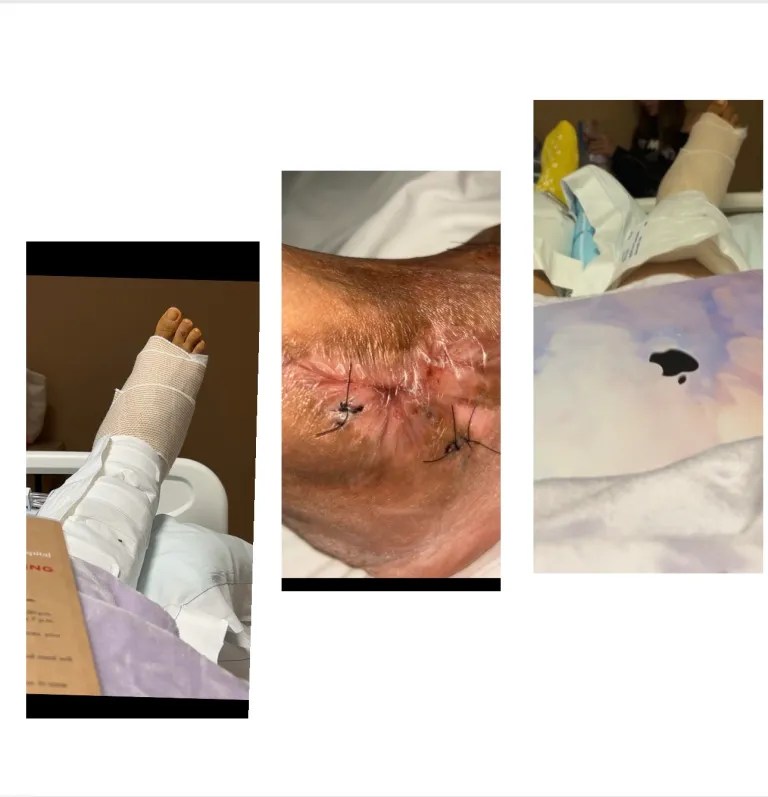
As I navigated these complications, I continued to wonder whether earlier intervention, additional testing, or closer coordination among my healthcare providers might have changed the course of my treatment. These questions became even more difficult as I faced worsening bone deterioration, circulation problems, chronic infection, and the possibility of limb loss.
By the end of November 2024, I felt exhausted, frustrated, and discouraged by my ongoing medical struggles. Despite multiple surgeries, wound care treatments, hospitalizations, bone biopsies, and months of antibiotics, my condition continued to worsen. I knew I needed another opinion and a fresh perspective on my care.
At that point, I sought treatment at The CORE Institute and met with a new podiatrist. During my evaluation, she recommended additional diagnostic testing, including a Nuclear Medicine Scan and a SPECT-CT scan of my ankle. I spent another full day undergoing testing, hoping to finally gain a clearer understanding of what was happening inside my ankle and lower leg.
When the results came back, they confirmed my worst fears. The infection was still present and had not been successfully eliminated. Even more concerning, the imaging showed evidence that the infection was continuing to spread through my ankle and further up my leg.
After months of fighting infection, enduring surgeries, and following every treatment recommendation, it was devastating to learn that the disease process was still progressing. The results provided answers, but they also confirmed the severity of my condition and the challenges that lay ahead.
For the first time, I felt that someone was taking a comprehensive look at the full picture rather than focusing on only one part of the problem. Although the news was difficult to hear, the advanced imaging provided critical information that helped guide the next steps in my treatment and ultimately played a significant role in the decisions that followed.

